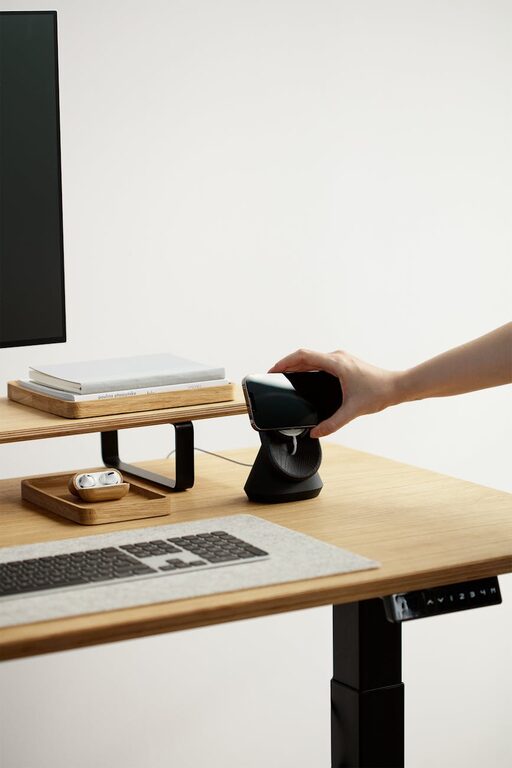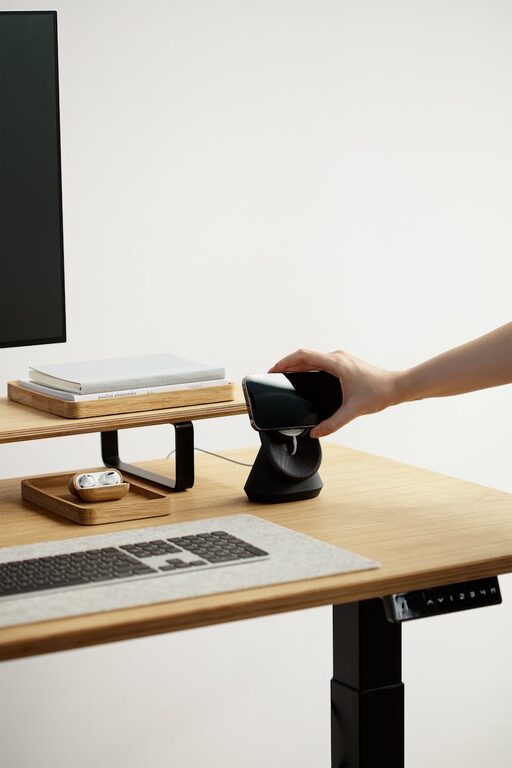

Working from home offers flexibility but also comes with unique challenges, especially when it comes to staying productive. Creating a dedicated, well-organized home office environment can make a significant difference in your workday. Here are some practical tips to help you design a productive home office that keeps you focused and motivated.
1. Choose the Right Space
Finding the ideal spot for your home office is the first step. Choose a space that minimizes distractions and has enough room for your essentials.
– Quiet and private: Select a room or corner away from high-traffic areas and noisy household activities.
– Natural light: A location near a window can improve mood and reduce eye strain.
– Adequate space: Ensure there’s enough room for your desk, chair, and storage needs without feeling cramped.
2. Invest in Comfortable Furniture
Comfort is key for productivity, especially if you spend many hours at your desk.
– Ergonomic chair: Choose a chair that supports your lower back and promotes good posture.
– Appropriate desk height: Your desk should allow your arms to rest comfortably at a 90-degree angle while typing.
– Adjustable options: Height-adjustable desks can let you switch between sitting and standing.
3. Organize Your Workspace
A tidy workspace reduces stress and saves time spent looking for things.
– Declutter regularly: Remove items you don’t need and keep only essential tools on your desk.
– Effective storage: Use shelves, filing cabinets, or desk organizers to store papers, office supplies, and equipment.
– Cable management: Use clips or sleeves to keep cords organized and prevent tangling.
4. Optimize Lighting
Good lighting reduces eye strain and keeps you alert.
– Natural light: Position your desk to take advantage of daylight without glare on your screen.
– Task lighting: Use a desk lamp with adjustable brightness and a flexible arm for focused work.
– Ambient lighting: Soft overhead lights can balance the overall room lighting.
5. Minimize Distractions
Limiting interruptions is essential to maintain focus.
– Set boundaries: Communicate your work hours to family or roommates.
– Noise control: Use noise-canceling headphones or play background music if helpful.
– Turn off notifications: Mute non-essential apps or devices during focused work periods.
6. Personalize Your Space
Adding personal touches can make your home office more inviting and inspiring.
– Decorate with plants: Indoor plants can improve air quality and add a calming element.
– Inspiring artwork: Choose images or quotes that motivate you.
– Comfort items: A cozy blanket or a small fan can enhance comfort.
7. Establish a Routine
Creating a structured routine helps build good work habits.
– Set regular hours: Start and end your workday at consistent times.
– Take breaks: Use the Pomodoro Technique or schedule short breaks to avoid burnout.
– Dress for success: Wearing comfortable but work-appropriate clothes can mentally prepare you for the day.
8. Use Technology Wisely
The right tech tools can streamline your workflow.
– Reliable internet: Ensure your internet connection is fast and stable.
– Essential equipment: Invest in a quality monitor, keyboard, and mouse for comfort and efficiency.
– Software tools: Use productivity apps and communication platforms that suit your work style.
9. Keep Your Workspace Clean
Regular cleaning prevents clutter buildup and maintains a healthy environment.
– Daily tidying: Spend a few minutes at the end of each day clearing your desk.
– Sanitize surfaces: Clean keyboards, screens, and desk surfaces to reduce germs.
– Air circulation: Open windows or use an air purifier for fresh air.
—
Creating a productive home office doesn’t mean you need a large or expensive setup. By focusing on comfort, organization, and minimizing distractions, you can craft a space that supports your best work. Experiment with these tips and tailor them to fit your unique needs and lifestyle. A well-designed home office can boost your productivity and make working from home more enjoyable.