
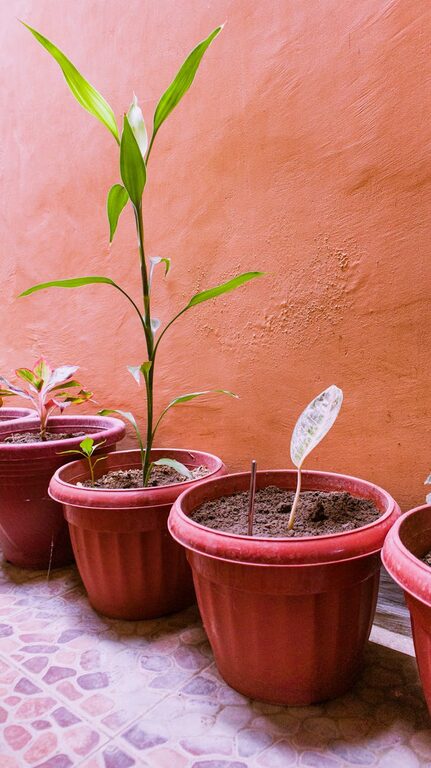
Creating a sustainable home garden that flourishes throughout the year is both rewarding and environmentally friendly. Whether you have a large backyard or a small balcony, cultivating plants with mindful practices helps conserve resources, reduce waste, and contribute to a healthier ecosystem. This post will guide you through key tips for establishing and maintaining a year-round sustainable garden.
Understanding Sustainability in Gardening
Before diving in, it’s important to clarify what makes a garden sustainable. A sustainable garden focuses on:
– Minimizing water and chemical use
– Supporting biodiversity
– Enhancing soil health naturally
– Reducing waste and energy inputs
– Growing plants suited to your local climate
By adopting these principles, you can enjoy a productive garden while protecting the environment.
Plan Your Garden for Year-Round Success
Choose Native and Climate-Appropriate Plants
Selecting plants that naturally thrive in your region reduces the need for extra water, fertilizer, and pest control. Native plants are adapted to local soil and weather, making them more resilient year-round.
Incorporate Perennials and Seasonal Crops
Perennials provide ongoing growth with less replanting effort. Combine these with seasonal vegetables and flowers to maintain garden interest and productivity across the months.
Map Out Planting Zones
Organize your garden by grouping plants with similar water, sunlight, and soil needs. This makes watering and care more efficient and prevents overuse of resources.
Improve Soil Health Naturally
Healthy soil is the foundation of a sustainable garden.
Use Organic Compost
Regularly add homemade compost or organic matter to enrich soil nutrients and improve moisture retention.
Practice Crop Rotation and Companion Planting
These techniques prevent soil depletion, reduce pests, and encourage beneficial insect activity.
Avoid Chemical Fertilizers and Pesticides
Opt for natural alternatives like neem oil, insecticidal soap, or introducing ladybugs to control pests.
Conserve Water with Smart Techniques
Water is a precious resource, so saving it benefits your garden and the planet.
Install Rain Barrels
Collect rainwater from your roof to use for irrigation.
Employ Drip Irrigation or Soaker Hoses
These tools deliver water directly to roots, minimizing evaporation.
Water Early or Late in the Day
Reduce water loss by watering during cooler hours.
Extend Growing Seasons
Growing fresh foods year-round is possible with a few strategies.
Use Cold Frames or Hoop Houses
Simple structures can protect plants from frost and extend the growing season into colder months.
Start Seeds Indoors
Begin seedlings indoors during off-season months to transplant outdoors when the weather warms.
Choose Frost-Resistant Varieties
Some vegetables tolerate cold better and can survive in cooler temperatures.
Reduce Waste and Recycle in Your Garden
Sustainability is also about minimizing waste.
Compost Kitchen and Garden Scraps
Turn peelings and plant debris into nutrient-rich compost for your soil.
Reuse Containers and Tools
Recycle pots, trays, and materials whenever possible.
Mulch to Suppress Weeds and Retain Moisture
Organic mulch also breaks down over time, further nourishing the soil.
Foster Biodiversity and Wildlife
A thriving garden supports local wildlife and creates balanced ecosystems.
Plant Pollinator-Friendly Flowers
Choose blooms that attract bees, butterflies, and hummingbirds.
Provide Habitats
Include birdhouses, insect hotels, or small water sources.
Avoid Harmful Chemicals
Protect wildlife by using natural pest control methods.
Maintain and Monitor Your Garden Regularly
Consistent care improves sustainability and prevents problems.
Inspect Plants Often
Watch for signs of pests or disease early to act promptly.
Prune and Harvest Timely
Proper pruning encourages healthy growth, and regular harvesting keeps plants productive.
Keep a Garden Journal
Record planting dates, weather patterns, and successes to refine your approach over time.
Final Thoughts
Creating a sustainable home garden year-round is achievable with thoughtful planning and eco-friendly practices. By selecting appropriate plants, conserving resources, enhancing your soil naturally, and supporting biodiversity, your garden can thrive while respecting the environment. With patience and care, you will enjoy fresh produce, beautiful plants, and the satisfaction of knowing your garden contributes positively to your local ecosystem every day. Happy gardening!